
Bu haftanın en iyi indirimleri
Her hafta en iyi indirimleri burada bulabilirsiniz.
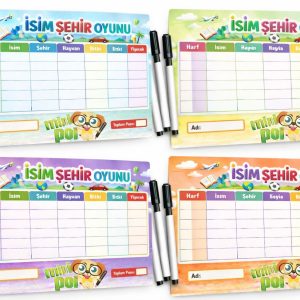
İsim Şehir Oyunu Kartları (hayvan-bitki-eşya-yiyecek) 4KİŞİLİK

İsim Şehir Oyunu Kartları (hayvan-bitki-eşya-yiyecek) 2 KİŞİLİK


pres tuval 24*32 cm 12 boya -fırça-palet seti


İLK TAKVİMİM -HAVA DURUMU&MEVSİM PANOSU CIRT CIRTLI (İNGİLİZCE – 2 PANO)
The Role of Eviction Notices in Maintaining a Healthy Rental Property
The Role of Eviction Notices in Maintaining a Healthy Rental Property
Managing rental properties involves a unique set of challenges, one of which is ensuring tenants adhere to their lease agreements. When issues arise, eviction notices can play a critical role in maintaining a healthy rental environment. Understanding how and when to use these notices is essential for landlords aiming to protect their investments while treating tenants fairly. This article explores the importance of eviction notices, the processes involved, and practical steps landlords can take to ensure compliance.
Understanding Eviction Notices
Eviction notices serve as formal communications from landlords to tenants, indicating that a lease agreement has been violated. They are not merely a precursor to eviction; they provide tenants with an opportunity to correct their behavior. This approach can help preserve the landlord-tenant relationship and often prevents the need for legal action.
There are various types of eviction notices, including those for non-payment of rent, lease violations, or illegal activities. Each type has its specific requirements and timelines, which landlords must understand to ensure they are compliant with local laws.
The Importance of Clear Communication
Communication is key in any relationship, and the landlord-tenant dynamic is no exception. When issues arise, addressing them promptly and clearly can prevent misunderstandings. Sending an eviction notice can be daunting, but it’s important to remember that it’s often a necessary step in maintaining order and accountability.
Being direct and specific in the notice helps tenants understand the exact nature of the violation and the steps they need to take. Providing them with resources—like how to fill out Louisiana Notice to Vacate pdf—can also facilitate a smoother resolution process.
Legal Considerations
Landlords must manage various legal landscapes when issuing eviction notices. Different states have different laws regarding notice periods, required content, and acceptable grounds for eviction. Ignoring these regulations can lead to lengthy legal disputes or the inability to evict a tenant, no matter how justified the action may seem.
It’s important to document everything. This includes keeping copies of all correspondence with tenants, records of payments, and any notices sent. If a case goes to court, having this information can significantly strengthen a landlord’s position.
How to Draft an Effective Eviction Notice
Drafting an eviction notice might seem straightforward, but certain elements are essential for it to be effective:
- Clarity: State the violation clearly, including dates and specific lease clauses that have been breached.
- Timeline: Specify how much time the tenant has to rectify the issue or vacate the property.
- Contact Information: Provide a way for the tenant to discuss the issue or seek clarification.
- Legal References: Mention relevant state laws or lease details as applicable.
By including these elements, landlords can help ensure their notices are taken seriously and facilitate a more constructive response from tenants.
Maintaining Professionalism
While the situation may be frustrating, it’s essential for landlords to approach eviction notices professionally. Emotional reactions can escalate conflicts and lead to poor outcomes for both parties. Keeping communication respectful can help preserve the landlord-tenant relationship, even in difficult circumstances.
Consider using neutral language in the notice. Avoiding accusatory terms can help keep the lines of communication open. This professionalism can also reflect positively on landlords should the matter escalate to court.
Alternatives to Eviction
Eviction is often seen as a last resort. Before resorting to this step, landlords might explore alternative solutions. Mediation can be an effective way to resolve disputes without taking legal action. A neutral third party can facilitate discussions, helping both sides come to a mutual agreement.
Another option is to offer a payment plan for tenants struggling with rent. This can help keep them in the property while ensuring that the landlord receives their due payments. Creative solutions can often lead to better outcomes for both parties, preserving income for landlords while providing tenants with stability.
When to Seek Legal Help
There are instances where landlords should consider seeking legal counsel. If a tenant is unresponsive to eviction notices or if there are complexities in the situation—such as discrimination claims or lease ambiguities—consulting a lawyer can provide clarity. Understanding the legal implications of each action taken is essential, and professional guidance can help manage these waters effectively.
Ultimately, being proactive about understanding the eviction process and maintaining a professional demeanor can lead to better outcomes for landlords and tenants alike. Staying informed about local laws and resources can ensure that both parties are treated fairly throughout the process.
 Müşteri Hizmetleri