
Bu haftanın en iyi indirimleri
Her hafta en iyi indirimleri burada bulabilirsiniz.
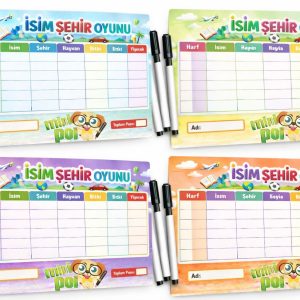
İsim Şehir Oyunu Kartları (hayvan-bitki-eşya-yiyecek) 4KİŞİLİK

İsim Şehir Oyunu Kartları (hayvan-bitki-eşya-yiyecek) 2 KİŞİLİK


pres tuval 24*32 cm 12 boya -fırça-palet seti


İLK TAKVİMİM -HAVA DURUMU&MEVSİM PANOSU CIRT CIRTLI (İNGİLİZCE – 2 PANO)
The Role of Documentation in Responsible Firearm Ownership
The Role of Documentation in Responsible Firearm Ownership
Responsible firearm ownership is more than just possession; it encompasses a commitment to safety, legality, and accountability. One of the most vital yet often overlooked aspects of this responsibility is proper documentation. Whether you’re buying, selling, or transferring ownership of a firearm, the right paperwork ensures that all parties are protected and compliant with the law.
Understanding Firearm Documentation
At its core, firearm documentation serves two main purposes: legal compliance and safety. It helps establish ownership, track transactions, and protect both buyers and sellers. But why is this documentation so important? For starters, it provides a clear record that can be referenced if issues arise later, such as disputes over ownership or questions about the firearm’s history.
Documentation also varies by state, with specific forms and requirements that must be adhered to. For example, in Texas, using the corresponding Texas bill of sale for guns form is essential for any private sales or transfers. This form not only protects the seller by proving the transaction took place but also assures the buyer that they are acquiring a firearm legally.
Key Documents Every Firearm Owner Should Have
While the necessary documentation can differ by jurisdiction, several key documents are universally important for responsible firearm ownership:
- Bill of Sale: Records the transaction details, including buyer, seller, date, and firearm specifics.
- Firearm Registration: Some states require registration of firearms, which links the owner to the weapon.
- Background Check Records: Documentation proving a background check was completed, if applicable.
- Insurance Policies: While not legally required, insurance can protect against theft or liability.
- Transfer Records: Required for any transfers between owners to maintain a clear ownership history.
The Legal Implications of Inadequate Documentation
Failing to maintain proper documentation can lead to serious legal consequences. Without a bill of sale, a firearm owner may struggle to prove ownership, which can complicate matters in case of theft or disputes. Additionally, if a firearm is used in a crime, lack of documentation can lead to legal troubles for the owner, even if they weren’t involved in the incident.
Moreover, many states have specific laws regarding firearm transfers. Ignoring these can result in fines, legal action, or worse. It’s essential to stay informed about the regulations in your area to avoid these pitfalls.
Documenting Transfers and Sales
When selling or transferring a firearm, a bill of sale is your best friend. This document should include key details such as:
- The names and addresses of both the buyer and seller.
- The date of the transaction.
- The description of the firearm, including make, model, and serial number.
- Signatures of both parties.
Having this information documented protects both parties and provides a legal record of the transaction. It’s not just a good practice; it’s a necessary step to ensure compliance with the law.
Best Practices for Maintaining Documentation
Keeping your documentation organized and accessible is key to responsible firearm ownership. Here are some best practices:
- Store documents in a safe place, such as a locked file cabinet or a secure digital format.
- Regularly review and update your records to ensure accuracy.
- Consider keeping backup copies, especially for essential documents like bills of sale and registration forms.
- Stay informed about any changes in laws or regulations that may affect your documentation needs.
Educating Others on the Importance of Documentation
If you’re an experienced firearm owner, take the time to educate less experienced individuals about the importance of documentation. Share your knowledge on how proper paperwork protects everyone involved. Hosting workshops or informal gatherings can be a great way to spread awareness. The more we discuss these practices, the safer our communities can become.
Resources for Firearm Owners
There are many excellent resources available for firearm owners looking to better understand their documentation needs. From local gun shops to online forums, you can find a wealth of information. Additionally, utilizing forms such as the corresponding Texas bill of sale for guns form can simplify the selling and buying process.
to recap, the role of documentation in responsible firearm ownership cannot be overstated. It’s a foundation for legality, safety, and accountability. By ensuring that all transactions are documented properly, firearm owners can protect themselves and contribute to a culture of responsibility.
 Müşteri Hizmetleri