
Bu haftanın en iyi indirimleri
Her hafta en iyi indirimleri burada bulabilirsiniz.
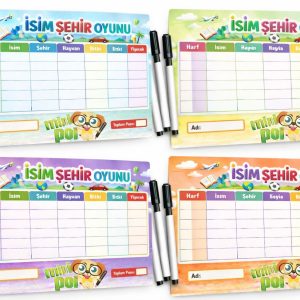
İsim Şehir Oyunu Kartları (hayvan-bitki-eşya-yiyecek) 4KİŞİLİK
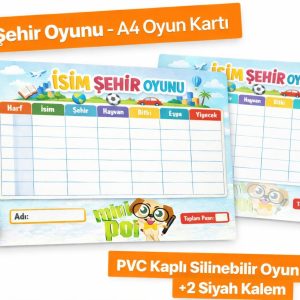
İsim Şehir Oyunu Kartları (hayvan-bitki-eşya-yiyecek) 2 KİŞİLİK


pres tuval 24*32 cm 12 boya -fırça-palet seti


İLK TAKVİMİM -HAVA DURUMU&MEVSİM PANOSU CIRT CIRTLI (İNGİLİZCE – 2 PANO)
Navigating Risk: When to Use a Hold Harmless Agreement
Navigating Risk: When to Use a Hold Harmless Agreement
Risk management is a important aspect of any business operation. One of the tools available to mitigate risk is the hold harmless agreement. This legal document serves to protect one party from liability in certain circumstances. Understanding when and how to use a hold harmless agreement can save you time, money, and stress.
What is a Hold Harmless Agreement?
A hold harmless agreement is a contract in which one party agrees not to hold the other party responsible for any loss or damage. These agreements are commonly used in various industries, including construction, real estate, and event management. In essence, they shift the liability from one party to another, providing a layer of protection against potential lawsuits.
For example, if a contractor is hired to perform work on a property, the property owner may require the contractor to sign a hold harmless agreement. This agreement would protect the property owner from any legal claims arising from the contractor’s work. However, it’s important to note that not all hold harmless agreements are created equal; the language and terms can vary significantly.
Types of Hold Harmless Agreements
There are two main types of hold harmless agreements: broad form and limited form. Each serves a different purpose and comes with its own set of implications.
- Broad Form: This type of agreement provides extensive protection, often covering any injuries or damages that occur, regardless of who is at fault. This is beneficial for parties looking to minimize their risk.
- Limited Form: In contrast, a limited form agreement only protects against specific liabilities. This means that if a party is negligent or intentionally causes harm, they may still be held liable. Limited form agreements are often more negotiable.
When Should You Use a Hold Harmless Agreement?
Deciding when to use a hold harmless agreement can be tricky. Here are some scenarios to consider:
- Outdoor Events: If you’re organizing an event that involves physical activities, a hold harmless agreement can protect you from claims related to injuries.
- Construction Projects: Contractors and subcontractors often work under these agreements to limit liability for injuries that occur on a job site.
- Leasing Property: Landlords may use hold harmless agreements to protect themselves from tenant-related accidents.
In these situations, having a clear agreement can prevent misunderstandings and protect your interests. It’s essential to tailor the agreement to fit the specific circumstances of the situation.
Key Elements of an Effective Hold Harmless Agreement
A well-crafted hold harmless agreement should include several key elements to ensure its effectiveness:
- Clear Identification of Parties: Specify who is involved in the agreement. This includes the party providing protection and the party assuming liability.
- Scope of Agreement: Clearly outline what liabilities are covered. This should leave no room for ambiguity.
- Duration: Define how long the agreement will be in effect. This is particularly important for long-term projects.
- Legal Compliance: Ensure the agreement complies with local laws. Different jurisdictions have varying regulations regarding liability.
- Signatures: All parties should sign the agreement to make it legally binding.
Cautions When Using Hold Harmless Agreements
While hold harmless agreements can be beneficial, they’re not without their risks. Here are some cautions to keep in mind:
First, these agreements can be challenged in court. If a hold harmless agreement is deemed overly broad or unfair, a judge may not enforce it. Therefore, it’s critical to ensure that the agreement is reasonable and clearly written.
Second, consider the relationship between the parties involved. Trust and good faith are essential. If a hold harmless agreement is perceived as an attempt to evade responsibility, it could damage relationships and lead to disputes.
Creating a Hold Harmless Agreement
Drafting a hold harmless agreement doesn’t have to be a daunting task. While templates are available, it’s often best to tailor the language to your specific situation. For a solid starting point, a Washington hold harmless indemnity agreement template can provide a helpful framework. However, it’s wise to consult with a legal professional to ensure that your agreement meets legal standards and adequately protects your interests.
Conclusion
Using a hold harmless agreement is a strategic way to manage risk in various situations. By understanding its purpose, types, and key elements, you can make informed decisions that protect you and your business. Whether you’re planning an event or overseeing a construction project, having this agreement in place can provide peace of mind and help maintain positive relationships.
 Müşteri Hizmetleri