
Bu haftanın en iyi indirimleri
Her hafta en iyi indirimleri burada bulabilirsiniz.
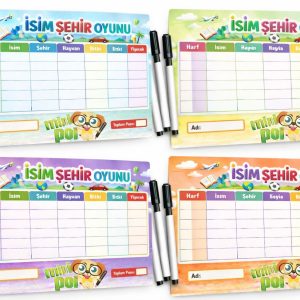
İsim Şehir Oyunu Kartları (hayvan-bitki-eşya-yiyecek) 4KİŞİLİK

İsim Şehir Oyunu Kartları (hayvan-bitki-eşya-yiyecek) 2 KİŞİLİK


pres tuval 24*32 cm 12 boya -fırça-palet seti


İLK TAKVİMİM -HAVA DURUMU&MEVSİM PANOSU CIRT CIRTLI (İNGİLİZCE – 2 PANO)
Breaking Down Your Rights as a Gun Owner: What You Need to Know
Breaking Down Your Rights as a Gun Owner: What You Need to Know
Understanding your rights as a gun owner can feel overwhelming, especially with the varying laws across states. Whether you’re a seasoned firearms enthusiast or a new gun owner, it’s important to know what you can and cannot do. This guide aims to provide clarity on your rights, the responsibilities that come with gun ownership, and essential documentation you should have on hand.
Your Second Amendment Rights
The Second Amendment to the United States Constitution grants citizens the right to keep and bear arms. But what does this really mean? Your rights under the Second Amendment are not absolute. States have the authority to impose regulations on gun ownership, including background checks, waiting periods, and licensing requirements. Understanding your specific state laws is key to navigating your rights effectively.
Key Responsibilities of Gun Ownership
Owning a firearm comes with significant responsibilities. It’s not just about having the right to bear arms; it’s also about ensuring safety for yourself and others. Here are some fundamental responsibilities:
- Safe storage of firearms to prevent unauthorized access.
- Understanding and adhering to local, state, and federal laws.
- Regularly maintaining your firearm to ensure it operates safely.
- Practicing responsible usage, especially in public or during transport.
Failure to uphold these responsibilities can lead to serious legal repercussions. Gun owners are expected to act with a sense of duty towards their community and themselves.
Understanding Gun Purchases and Transfers
Purchasing a firearm involves more than just choosing a model and paying for it. Each state has its own set of regulations governing the sale and transfer of guns. For example, in Massachusetts, a bill of sale is often necessary for private sales of firearms. You might want to look for a printable Massachusetts bill of sale for guns form to ensure you have the proper documentation. This document protects both the buyer and seller and provides a record of the transaction.
Concealed Carry Laws
Concealed carry laws vary significantly from state to state. Some states require a permit, while others have “constitutional carry” laws, allowing individuals to carry concealed without a permit. If you plan to carry a firearm concealed, it’s essential to familiarize yourself with the laws in your state, including where you can and cannot carry. Always be prepared to show your permit if required, and understand the rules around carrying in public spaces.
The Importance of Training and Education
Education is a vital aspect of responsible gun ownership. Attending training courses can enhance your understanding and handling of firearms. Many organizations offer classes that cover safety, laws, and practical shooting skills. Investing time in education can make a significant difference in your confidence and competence as a gun owner.
Staying Informed About Legislative Changes
Gun laws are constantly evolving. Staying informed about legislative changes is important. Follow local news, subscribe to updates from reliable advocacy groups, and participate in community discussions. Knowledge of new laws and regulations can help you adapt and ensure that your rights as a gun owner are preserved.
What to Do If You Encounter Legal Issues
If you find yourself facing legal issues related to gun ownership, it’s essential to seek professional legal advice. An attorney experienced in firearm laws can provide guidance tailored to your situation. Avoid discussing your case with anyone other than your lawyer, as even casual conversations can impact your case.
Being a gun owner means more than just holding a license. It requires a commitment to understanding the law, practicing safety, and engaging with your community responsibly. By staying informed and proactive, you can manage your rights and responsibilities effectively.
 Müşteri Hizmetleri