
Bu haftanın en iyi indirimleri
Her hafta en iyi indirimleri burada bulabilirsiniz.
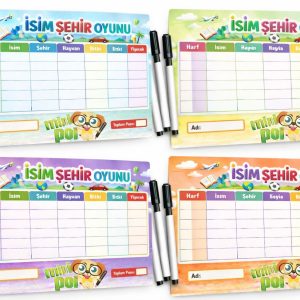
İsim Şehir Oyunu Kartları (hayvan-bitki-eşya-yiyecek) 4KİŞİLİK
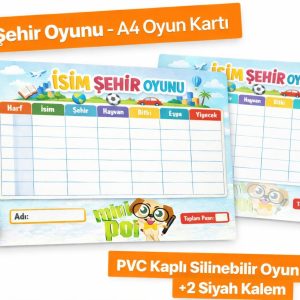
İsim Şehir Oyunu Kartları (hayvan-bitki-eşya-yiyecek) 2 KİŞİLİK


pres tuval 24*32 cm 12 boya -fırça-palet seti


İLK TAKVİMİM -HAVA DURUMU&MEVSİM PANOSU CIRT CIRTLI (İNGİLİZCE – 2 PANO)
Approaches to Ensure a Smooth Transaction: The Importance of Proper Documentation When Selling a Golf Cart
Approaches to Ensure a Smooth Transaction: The Importance of Proper Documentation When Selling a Golf Cart
Selling a golf cart can seem straightforward, but the importance of proper documentation cannot be overstated. Whether you’re selling to a neighbor or a stranger, having the right paperwork ensures that both parties are protected and that the transaction goes smoothly. Misunderstandings can occur, and without adequate documentation, you may find yourself in a difficult situation. Here’s how to manage this process effectively.
Understanding the Need for Documentation
Documentation serves several essential purposes in a golf cart sale. It provides proof of ownership, details the condition of the cart, and outlines the terms of the sale. Without it, buyers may hesitate to finalize a purchase, fearing potential issues down the line. Similarly, sellers need assurance that they’re protected in case of disputes.
When you document the sale, you create a transparent environment. Every detail regarding the transaction is recorded, which can prevent future misunderstandings. This proactive approach can save both time and money in the long run.
Key Documents Required for Selling a Golf Cart
When selling your golf cart, several documents are typically necessary to ensure the transaction is legitimate. Here’s a list of key documents you should consider:
- Title of Ownership: This proves that you own the golf cart and have the right to sell it.
- Maintenance Records: Showing how well the cart has been maintained can increase its value.
- Bill of Sale: This document outlines the terms of the sale and serves as a receipt for both parties.
- Release of Liability: This protects you from any future claims regarding the cart after the sale has been completed.
Among these, the Bill of Sale for a Golf Cart template is particularly important. It provides a clear agreement on the transaction details, including the sale price and any warranties. Without a solid bill of sale, you may face complications later on.
Creating a Bill of Sale
Crafting a bill of sale doesn’t have to be complicated. It should include essential information such as:
- Full names and addresses of both the buyer and seller
- Date of the transaction
- Description of the golf cart (make, model, year, VIN)
- Sale price and payment method
- Signatures of both parties
This document acts as a legal record. It’s essential for both the buyer and seller to keep a copy. If any issues arise, this document can serve as proof of the terms agreed upon.
Importance of Clear Communication
While documentation is important, clear communication between the buyer and seller is equally important. Misunderstandings can lead to disputes, which can be frustrating for both parties. Make sure to discuss the following:
- The cart’s condition and any repairs made
- Payment terms, including deposits or financing options
- Any warranties or guarantees provided
Being upfront about the cart’s condition can prevent potential backlash. If the buyer feels misled, it can lead to negative experiences for both parties. Transparency fosters trust, making the transaction smoother.
Handling Payment Safely
Payment methods can vary, and choosing the right one is critical. Cash is the simplest option, but it may not always be feasible for larger sums. Consider alternatives like cashier’s checks or electronic transfers, which provide a paper trail while minimizing the risk of fraud.
Regardless of the method chosen, avoid accepting personal checks unless you’ve established a relationship with the buyer. There’s always a risk of insufficient funds, which can complicate the sale.
Final Checks Before the Sale
Before finalizing the sale, conduct some last-minute checks. Here’s a quick list:
- Ensure the title is clear and not encumbered by loans.
- Verify the buyer’s identity to avoid potential scams.
- Take photos of the golf cart, which can serve as proof of its condition.
These steps may seem minor, but they can significantly impact the overall experience. It’s better to be thorough than to rush into a sale and regret it later.
Post-Sale Responsibilities
After the sale is complete, your responsibilities aren’t over just yet. You’ll need to notify your local Department of Motor Vehicles (DMV) about the sale to avoid future liabilities. This ensures that you’re no longer associated with the golf cart, protecting you from any legal issues that may arise after the sale.
Additionally, remind the buyer to register the cart in their name promptly. This is important for ownership verification and for any potential liability issues down the line.
Conclusion
Selling a golf cart involves much more than just handing over the keys. Proper documentation, clear communication, and adherence to legal requirements are fundamental to ensuring a smooth transaction. By putting in the effort to manage these details, you can protect yourself and create a positive selling experience.
 Müşteri Hizmetleri