
Bu haftanın en iyi indirimleri
Her hafta en iyi indirimleri burada bulabilirsiniz.
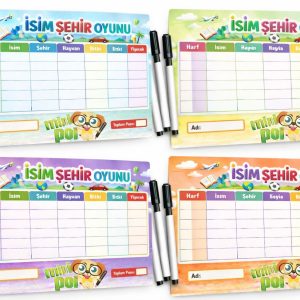
İsim Şehir Oyunu Kartları (hayvan-bitki-eşya-yiyecek) 4KİŞİLİK
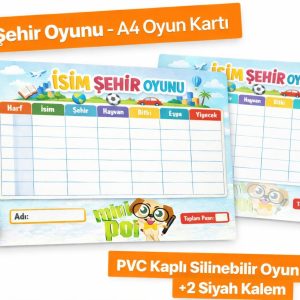
İsim Şehir Oyunu Kartları (hayvan-bitki-eşya-yiyecek) 2 KİŞİLİK


pres tuval 24*32 cm 12 boya -fırça-palet seti


İLK TAKVİMİM -HAVA DURUMU&MEVSİM PANOSU CIRT CIRTLI (İNGİLİZCE – 2 PANO)
Navigating Child Welfare: The Role of Power of Attorney in Illinois
Navigating Child Welfare: The Role of Power of Attorney in Illinois
Understanding the complexities of child welfare can be daunting for many parents and guardians. In Illinois, the power of attorney (POA) is a vital legal tool that can significantly impact child welfare decisions. Whether you’re facing temporary challenges or need to make long-term arrangements, grasping the nuances of POA can help ensure your child is well cared for in your absence. This article will explore how the power of attorney operates within child welfare in Illinois, offering insights and practical advice for parents.
What is Power of Attorney in Illinois?
Power of attorney is a legal document that allows one person to make decisions on behalf of another. In Illinois, this can include medical, financial, and educational decisions, particularly for minors. Parents often use POA to designate someone they trust to act in their stead, especially during times of absence due to work, travel, or health issues.
The Illinois Power of Attorney Act provides various types of POA, including healthcare and property. For child welfare, the most relevant is the POA for a minor child, which empowers a designated individual to make decisions regarding the child’s care and upbringing.
Why Consider a Power of Attorney for Your Child?
The reasons for establishing a power of attorney for a child are numerous:
- Emergency Situations: If a parent is suddenly incapacitated due to illness or accident, a POA ensures that the child’s needs are met without delay.
- Travel: For parents who travel frequently for work or personal reasons, having a POA allows a trusted individual to manage the child’s daily activities and decisions.
- Education Needs: A designated guardian can make educational decisions, enroll the child in school, or address any issues that arise in the educational setting.
These situations illustrate the importance of having a POA, which can provide peace of mind for parents. It ensures that someone capable is ready to step in when necessary.
How to Create a Power of Attorney for a Minor in Illinois
Creating a power of attorney for a minor is a straightforward process, but it does require careful consideration. Here’s how to do it:
1. **Choose Your Agent Wisely:** Select someone who understands your values and is capable of making important decisions regarding your child’s welfare.
2. **Draft the Document:** You can find templates online, such as those at https://fastpdftemplates.com/illinois-power-of-attorney-template/, which can simplify the process. It’s essential to include all relevant details, such as the scope of authority and the duration of the POA.
3. **Notarization:** In Illinois, the document must be signed in the presence of a notary public to be valid.
4. **Inform Relevant Parties:** Ensure that anyone involved in your child’s care, such as teachers, doctors, and family members, are aware of the POA and who the designated agent is.
Understanding the Limitations of POA
While a power of attorney offers many benefits, it also comes with limitations. For instance:
– A POA does not grant the agent the authority to make decisions that are contrary to the parent’s wishes.
– It doesn’t remove parental rights; the parent retains all rights and responsibilities unless formally relinquished through legal processes.
– If the parent passes away, the POA becomes void, and guardianship issues must be addressed through the court.
Being aware of these limitations helps parents manage the complexities of child welfare more effectively.
Common Scenarios for Using POA in Child Welfare
There are several scenarios where having a power of attorney can be particularly beneficial:
– **Military Deployment:** Service members may need to designate a trusted individual to care for their children while they are away. A POA can facilitate this arrangement.
– **Long-Term Illness:** Parents undergoing prolonged medical treatments can delegate care responsibilities through a POA, ensuring that their child’s needs are consistently met.
– **Traveling Abroad:** When parents travel internationally, a POA can help manage any urgent situations that may arise, such as medical emergencies or educational decisions.
These examples underscore the versatility of the power of attorney in addressing various child welfare needs.
Frequently Asked Questions About Power of Attorney for Minors
Here are some common queries parents have regarding power of attorney:
- Can I revoke a power of attorney? Yes, as long as you are mentally competent, you can revoke a POA at any time by notifying the agent in writing.
- Is a POA the same as guardianship? No, they are different. A POA allows someone to act on your behalf, while guardianship involves a court appointment to make decisions for a child.
- Do I need a lawyer to create a POA? While it’s not required, consulting with a lawyer can ensure that the document meets all legal requirements and addresses your specific needs.
Final Considerations for Parents
Establishing a power of attorney for your child is an important step in ensuring their welfare when you can’t be there. It provides a safety net during unforeseen circumstances and gives you control over who will make decisions for your child. By preparing adequately and understanding the role of a POA, you can face the future with confidence, knowing your child is in good hands.
 Müşteri Hizmetleri