
Bu haftanın en iyi indirimleri
Her hafta en iyi indirimleri burada bulabilirsiniz.
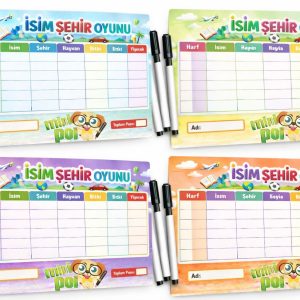
İsim Şehir Oyunu Kartları (hayvan-bitki-eşya-yiyecek) 4KİŞİLİK

İsim Şehir Oyunu Kartları (hayvan-bitki-eşya-yiyecek) 2 KİŞİLİK


pres tuval 24*32 cm 12 boya -fırça-palet seti


İLK TAKVİMİM -HAVA DURUMU&MEVSİM PANOSU CIRT CIRTLI (İNGİLİZCE – 2 PANO)
A Deep Dive into Power of Attorney Limitations and Responsibilities
A Deep Dive into Power of Attorney Limitations and Responsibilities
Understanding the nuances of a Power of Attorney (POA) can be overwhelming, especially when considering its limitations and responsibilities. This legal document allows one person to act on behalf of another in various capacities, but it’s not without its boundaries. Grasping these limitations is essential for both agents and principals to ensure that their intentions are honored and legal consequences are avoided.
What is Power of Attorney?
A Power of Attorney is a legal instrument that grants an agent the authority to make decisions on behalf of a principal. This can range from financial matters to healthcare decisions. The principal must be competent when they create the POA, and it’s important to specify the scope of authority clearly. This clarity can prevent potential misuse or misunderstandings in the future.
Types of Power of Attorney
There are several types of POA, each serving different purposes. Here are the most common types:
- General Power of Attorney: Grants broad powers to the agent to act on behalf of the principal in various matters.
- Special Power of Attorney: Limits the agent’s authority to specific tasks, such as selling a property.
- Durable Power of Attorney: Remains effective even if the principal becomes incapacitated.
- Medical Power of Attorney: Specifically allows the agent to make healthcare decisions for the principal.
Each type has its own set of limitations and responsibilities, which is why it’s important to choose wisely based on individual needs. For example, a general POA may not be ideal for someone who only needs help with a specific transaction.
Limitations of Power of Attorney
While a POA can provide extensive authority, it’s essential to recognize its limitations. An agent cannot:
- Make decisions that are outside the specified scope of authority.
- Change the principal’s will or estate plan.
- Engage in self-dealing that benefits them financially.
- Make decisions that violate the principal’s wishes.
These limitations are in place to protect the principal’s interests and prevent abuse. Understanding these boundaries helps agents act responsibly and ethically.
Responsibilities of the Agent
Serving as an agent under a POA comes with significant responsibilities. Agents must:
- Act in the best interest of the principal.
- Keep accurate records of all transactions and decisions made on behalf of the principal.
- Communicate regularly with the principal and family members when appropriate.
- Maintain confidentiality regarding the principal’s affairs.
Failure to uphold these responsibilities can lead to legal repercussions, including accusations of breach of fiduciary duty. It’s important for agents to remain aware of their legal obligations and act accordingly.
The Importance of Transparency
Transparency is key in any relationship involving a Power of Attorney. Both the principal and agent should have open discussions about expectations, limitations, and any potential conflicts that may arise. It’s advisable to document these conversations, as they can provide clarity in the future. Additionally, having a clear understanding of each party’s rights and responsibilities can prevent misunderstandings and disputes.
Resources for Understanding POA
For anyone looking to create or update their Power of Attorney, understanding the legal landscape is essential. Various resources are available online that can provide templates and guidance. One helpful resource for obtaining a corresponding poa is TemplatesPDF. They offer printable forms that can simplify the process, ensuring that your POA meets legal standards while reflecting your specific needs.
Potential Consequences of Misuse
Misusing a Power of Attorney can have serious consequences. Whether through negligence or intentional wrongdoing, agents can face legal action, including civil lawsuits or even criminal charges. For instance, if an agent misappropriates funds for personal use, they may be held accountable in court. It’s critical for both principals and agents to recognize the gravity of these responsibilities and the impact of their actions.
Final Considerations
Creating a Power of Attorney is a significant step that requires careful thought and planning. By understanding the limitations and responsibilities involved, both principals and agents can ensure that the document serves its intended purpose. Whether you’re looking to manage your affairs or help someone else, knowledge is the best tool in navigating this complex legal area.
 Müşteri Hizmetleri