
Bu haftanın en iyi indirimleri
Her hafta en iyi indirimleri burada bulabilirsiniz.
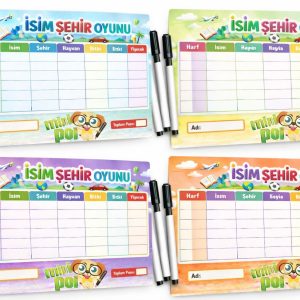
İsim Şehir Oyunu Kartları (hayvan-bitki-eşya-yiyecek) 4KİŞİLİK
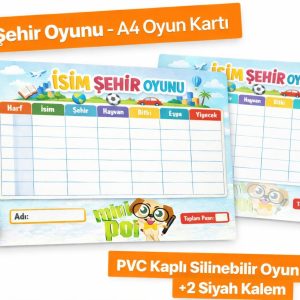
İsim Şehir Oyunu Kartları (hayvan-bitki-eşya-yiyecek) 2 KİŞİLİK


pres tuval 24*32 cm 12 boya -fırça-palet seti


İLK TAKVİMİM -HAVA DURUMU&MEVSİM PANOSU CIRT CIRTLI (İNGİLİZCE – 2 PANO)
Essential Components of a Lease Agreement in Washington
Essential Components of a Lease Agreement in Washington
When renting property in Washington, a well-drafted lease agreement is your safety net. It protects both landlords and tenants by laying down clear expectations. But what should you include to make sure it covers all bases? Let’s break down the essential components of a lease agreement in the Evergreen State.
1. Names of Parties Involved
The first step in creating a solid lease is identifying who’s involved. This means including the full names of all tenants and the landlord. It sounds simple, but it’s critical. If there’s ever a dispute, you want to be clear about who’s responsible. For instance, if only one tenant signs the lease but others occupy the property, only the signer may be held accountable for damages or unpaid rent. This can lead to complications.
2. Property Description
Next, you need to describe the rental property accurately. This includes its address, unit number, and any included amenities. If the lease covers common areas or shared facilities, specify those too. For example, if you’re renting a condo, mention access to the pool or gym. This clarity helps prevent misunderstandings later on.
3. Lease Term
Every lease should clearly state the duration. Is it a month-to-month agreement or a fixed term, like six or twelve months? Knowing the lease term helps tenants understand their commitment and gives landlords a clear timeline for renewal or termination. For example, if a tenant wants to leave before a fixed term ends, knowing the agreement’s specifications can help avoid legal disputes.
4. Rent Payment Details
Rent payment terms must be crystal clear. Specify the amount, due date, and acceptable payment methods. Additionally, outline any late fees that might apply. For instance, if rent is due on the first and a grace period extends to the fifth, make that explicit. You can also mention possible adjustments, such as when and how much rent may increase at renewal. This transparency can prevent friction between landlords and tenants.
5. Security Deposit Information
Security deposits are often a point of contention, so detail the amount and conditions for return. Washington state law dictates how much a landlord can charge, typically no more than one month’s rent. Specify the conditions under which the deposit is withheld. For example, if you don’t clean the apartment before moving out, part of the deposit might cover cleaning costs. Providing this information upfront can save time and stress later.
6. Maintenance Responsibilities
Who’s responsible for repairs? This is often a gray area. Clearly outline maintenance duties for both parties. For instance, if a pipe bursts, who handles the repair? If the tenant is responsible for yard work, state that explicitly. It’s also wise to include a timeline for reporting issues and how they’ll be addressed. This helps everyone understand their obligations and keeps the property in good condition.
7. Additional Terms and Conditions
This is where you can tailor the lease to fit your unique situation. Consider including terms related to pets, smoking, or subletting. For example, if pets are allowed, you might include a pet deposit or specific rules about pet care. If you’re unsure about how to draft these sections, resources like https://getpdfdocs.com/editable-washington-lease-agreement/ can provide templates and guidance for creating these stipulations.
8. Termination Procedures
Finally, outline how the lease can be terminated. This includes notice periods and acceptable reasons for ending the lease. For instance, if a tenant needs to move for a job, knowing they have to give 30 days’ notice might help them plan better. Likewise, landlords should be clear about their rights to terminate the lease for non-payment or lease violations. Clearly defined termination procedures can minimize conflicts.
Incorporating these essential components into a lease agreement in Washington can make a significant difference. A well-prepared lease not only protects both parties but also creates a smoother rental experience. By being clear and specific, you can set the stage for a positive landlord-tenant relationship. Remember, a little preparation goes a long way.
 Müşteri Hizmetleri